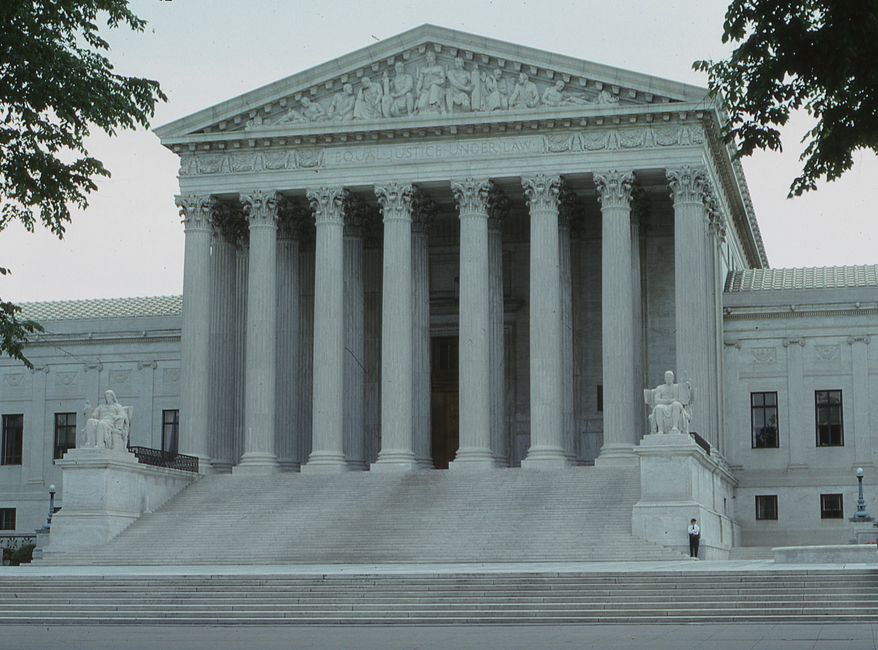
Majestic courthouse representing legal authority in surplus fund recovery
Serving All 50 States • No Upfront Fees

You May Be Owed Thousands After a Foreclosure. We Help You Recover It.

Every year, billions of dollars in unclaimed foreclosure surplus funds — excess proceeds, overbid funds, sheriff sale surplus, trustee sale surplus, tax deed surplus, and tax foreclosure refunds — remain unclaimed. Our nationwide team helps property owners, heirs, investors, and estates recover the money legally owed to them.

$1,000,000,000+
Recovered Nationwide

Comprehensive Surplus Recovery Services

From foreclosure excess proceeds to tax deed surplus — we recover every dollar you're owed.

Foreclosure Surplus Recovery

Recover excess proceeds remaining after a foreclosure sale. We identify, verify, and file claims for surplus funds held by courts and counties nationwide.

Tax Deed Surplus Recovery

Recover remaining proceeds after tax lien and tax deed sales. Tax authorities often hold significant surplus funds that former owners never claim.

Sheriff's Sale Surplus

Locate and recover sheriff sale surplus funds from judicial foreclosure proceedings across all 50 states with expert legal navigation.

Mortgage Foreclosure Surplus

Recover excess money after judicial and non-judicial foreclosure proceedings. Both trustee and court-managed sales may generate claimable surplus.

HOA Foreclosure Surplus

Recover HOA foreclosure excess funds from homeowner association lien foreclosures — an often-overlooked source of unclaimed surplus money.

Estate & Heir Recovery

Locate surplus funds belonging to deceased family members. We help heirs and estate administrators recover unclaimed foreclosure proceeds.

Probate Research

Identify available surplus funds connected to probate estates through comprehensive public records research and court filing analysis.

Asset Research

Nationwide public records research to uncover hidden and unclaimed assets, surplus accounts, and excess funds across county and state databases.

How It Works

From setback to surplus — our streamlined five-step process turns a difficult situation into financial recovery.

1

We Search

Nationwide public record research across county courts, treasurers, and registries to identify unclaimed surplus funds in your name.

2

We Verify

Thorough ownership verification through title records, deed history, and legal documentation to confirm your rightful claim.

3

We Prepare

Complete legal documentation preparation including claim forms, affidavits, and supporting evidence tailored to your state's requirements.

4

We Recover

We file your claim with the appropriate court or county office and follow through until funds are officially released.

5

You Get Paid

Your recovered surplus funds are delivered directly to you. No upfront costs — we only succeed when you do.

Search All 50 States

Enter your information below and our specialists will search county records nationwide to determine if you have unclaimed surplus funds.

What Are Foreclosure Surplus Funds?

When a foreclosed property sells for more than what is owed on the mortgage and associated liens, the remaining balance may belong to the former owner or other legally entitled parties. These funds often remain unclaimed unless someone files the proper claim.

What Are Excess Proceeds?

Excess proceeds are the surplus funds remaining after a foreclosure sale when the winning bid exceeds the total debt owed on the property — including the mortgage balance, accrued interest, legal fees, and any junior liens. These funds are held by the court or trustee and legally belong to the former property owner or their successors in interest. Many homeowners never realize these funds exist because courts and counties are not always required to notify former owners. BuildIQ identifies and recovers excess proceeds from both judicial and non-judicial foreclosure sales across all 50 states.

What Are Overbid Funds?

Overbid funds occur when a foreclosure auction generates competitive bidding that drives the final sale price above the opening bid or minimum amount owed. The difference between the opening bid (which covers the debt) and the final winning bid is called the overbid — and this amount may legally belong to the former homeowner. Overbid situations are especially common in markets with high property values where multiple investors compete for foreclosed properties. These funds sit in county accounts waiting to be claimed, often for years.

What Are Excess Funds?

Excess funds is a broad legal term encompassing any money remaining after a forced sale of property satisfies the outstanding debts. Whether the sale occurred through a mortgage foreclosure, tax sale, or HOA lien enforcement, the excess amount beyond what was owed is classified as excess funds. These funds are deposited with the court clerk, county treasurer, or other designated authority depending on the state. Former owners, lien holders, and in some cases heirs have a legal right to claim these excess funds within the statute of limitations set by their state.

What Are Surplus Funds?

Surplus funds is the most commonly used umbrella term for any excess money generated from a foreclosure, tax deed sale, or sheriff's sale. When a property sells for more than the total amount of encumbrances against it, a surplus is created. These surplus funds are typically held in a trust or escrow account by the county, court, or trustee. The rightful claimant — usually the former property owner — must file a formal petition or claim to receive the surplus. Without proper filing, these funds may eventually escheat to the state government.

What Are Trustee Sale Surplus Funds?

In non-judicial foreclosure states, properties are sold at trustee sales — foreclosure auctions conducted by a trustee rather than a court. When the sale price at a trustee sale exceeds the debt secured by the deed of trust, the difference creates trustee sale surplus funds. These surplus funds are held by the trustee or deposited with the county according to state law. States like California, Texas, and Washington use trustee sales extensively, creating millions of dollars in surplus funds annually. The former owner or other entitled parties must file a claim within a specific timeframe to recover these funds.

What Are Sheriff's Sale Surplus Funds?

A sheriff's sale is a public auction conducted by the county sheriff to sell a property that has been foreclosed through the court system (judicial foreclosure). When the sale price exceeds the judgment amount plus costs, the resulting surplus belongs to the former property owner or junior lien holders. Sheriff's sale surplus funds are common in states like Pennsylvania, New Jersey, Ohio, and Florida. These funds are typically held by the sheriff's office or court clerk and require a formal motion or petition to claim. Many former homeowners are unaware that surplus funds exist from their sheriff's sale.

What Are Tax Foreclosure Surplus Funds?

When a property owner fails to pay property taxes, the county may sell the property at a tax deed sale or tax lien auction. If the sale price exceeds the delinquent taxes, penalties, interest, and fees owed, the excess creates tax foreclosure surplus funds. These funds legally belong to the former property owner. Tax deed surplus is one of the most commonly overlooked types of surplus because property owners who lost their home to taxes often assume they have no remaining claim. In reality, significant surplus amounts — sometimes tens of thousands of dollars — may be waiting to be claimed.

What Happens If Nobody Claims the Money?

If surplus funds go unclaimed for a period of time set by state law — typically ranging from 1 to 7 years — the money may be subject to escheatment. Escheatment is the legal process by which unclaimed property reverts to the state government. Each state has different escheatment laws and timelines. For example, some states require surplus funds to be held for 5 years before escheatment, while others begin the process after just 1 year. Once funds escheat to the state, recovery becomes significantly more difficult but is still possible in many cases. Acting quickly is critical to maximizing your recovery.

Why Choose BuildIQ?

See why thousands of clients trust us over generic recovery services.

BuildIQ

  • Nationwide coverage across all 50 states
  • Dedicated surplus recovery specialists
  • Secure encrypted client portal
  • Transparent process with real-time updates
  • No hidden fees — contingency only
  • Fast communication — 24hr response
  • Personalized one-on-one support
  • Advanced research tools & databases
  • 98% client satisfaction rate

Other Companies

  • Limited regional coverage
  • Generic, one-size-fits-all services
  • No secure portal or tracking
  • Opaque processes with poor updates
  • Hidden fees and surprise charges
  • Poor communication — days to respond
  • No personalized attention
  • Outdated research methods
  • Low success rates and reviews

The Numbers Speak for Themselves

★★★★★
0
Overall Rating
0
Happy Clients
0
Recovered Nationwide
0
States Served
0
Client Satisfaction
0
Claims Reviewed

From Setback to Surplus

Real clients. Real recoveries. Hear from people who turned a foreclosure hardship into financial recovery.

★★★★★

"I had no idea there were surplus funds from my foreclosure three years ago. BuildIQ found $87,000 sitting in county records and handled everything. What seemed like the worst chapter of my life turned into a fresh start."

Margaret T. client photo
Margaret T.
Phoenix, Arizona
Recovered $87,000
★★★★★

"After my father passed, we discovered the family home had been foreclosed. BuildIQ not only found $142,000 in excess proceeds but guided our family through the entire probate claim process. Incredible service."

Robert K. client photo
Robert K.
Los Angeles, California
Recovered $142,000
★★★★★

"I was devastated after losing my home. A friend mentioned surplus funds and I found BuildIQ. They recovered $56,000 I never knew existed. From the worst moment to a second chance — I'm forever grateful."

Sarah M. client photo
Sarah M.
Dallas, Texas
Recovered $56,000
★★★★★

"The process was seamless. BuildIQ identified surplus funds from a tax deed sale I didn't even know about. Within four months, I received a check for $228,000. Professional, transparent, and truly life-changing."

Denise W. client photo
Denise W.
Miami, Florida
Recovered $228,000
★★★★★

"As an investor, I was skeptical at first. But BuildIQ's research team uncovered $91,000 in trustee sale surplus that my company was entitled to. Their expertise in Nevada foreclosure law is unmatched."

Carlos R. client photo
Carlos R.
Las Vegas, Nevada
Recovered $91,000

Recent Recovery Case Studies

Every case represents a real person who turned financial hardship into recovery.

Arizona foreclosure surplus recovery case study
Arizona
$87,000
Recovered from Maricopa County
California excess proceeds recovery case study
California
$142,000
Recovered from Los Angeles County
Texas overbid funds recovery case study
Texas
$56,000
Recovered from Dallas County
Florida surplus funds recovery case study
Florida
$228,000
Recovered from Miami-Dade County
Nevada tax deed surplus recovery case study
Nevada
$91,000
Recovered from Clark County

Hear From Our Clients

Watch real clients share their foreclosure surplus recovery journey with BuildIQ.

Client video testimonial about surplus fund recovery
Margaret T. — Recovered $87,000
Client video testimonial about excess proceeds recovery
Robert K. — Recovered $142,000
Client video testimonial about overbid funds recovery
Sarah M. — Recovered $56,000

Client Story

This video testimonial is being prepared. Contact us to hear more about this client's surplus fund recovery journey.

Contact Us to Learn More

Frequently Asked Questions

Get answers to the most common questions about foreclosure surplus funds, excess proceeds, and the recovery process.

If your property was sold at a foreclosure auction, sheriff's sale, tax deed sale, or trustee sale for more than the total amount owed, surplus funds may exist in your name. BuildIQ conducts a comprehensive nationwide search of county court records, treasurer databases, and clerk registries to determine if surplus funds are available. Our free search service identifies potential claims quickly so you can take action before the statute of limitations expires.
Former property owners are the primary claimants for foreclosure surplus funds. However, heirs and beneficiaries of deceased owners, estate administrators, trustees of trusts that owned the property, LLCs and corporate entities, investors with a recorded interest, and junior lien holders may also have valid claims. The priority of claims is determined by state law and the specific circumstances of the foreclosure.
Yes. If a property owner has passed away and surplus funds exist from a foreclosure or tax sale of their property, legal heirs can file a claim. The process typically requires establishing heirship through probate records, death certificates, and genealogical documentation. BuildIQ specializes in heir recovery claims and has successfully reunited families with surplus funds belonging to deceased relatives across all 50 states.
Recovery timelines vary by state, county, and the complexity of the claim. Simple, uncontested claims can be resolved in as little as 30 to 60 days. More complex cases involving probate, multiple claimants, or contested liens may take 3 to 6 months. BuildIQ provides regular status updates throughout the process and works diligently to expedite every claim.
Required documents vary by jurisdiction but typically include: government-issued photo identification, proof of ownership or interest in the property (deed, title records), the foreclosure sale confirmation, a completed claim form or petition, and a notarized affidavit. For heir claims, additional documents such as death certificates, probate filings, and proof of heirship are usually required. BuildIQ prepares all necessary documentation on your behalf.
Overbid funds are created when the final sale price at a foreclosure auction exceeds the opening bid or minimum amount owed. For example, if a property has $200,000 in outstanding debt and sells at auction for $350,000, the $150,000 difference may constitute overbid funds that legally belong to the former property owner. These funds are held by the court or county until properly claimed.
Excess proceeds are the surplus funds remaining after all debts, liens, fees, and costs have been satisfied from a foreclosure sale. This includes the mortgage balance, accrued interest, attorney fees, court costs, and any junior liens. The remainder — the excess proceeds — may legally belong to the former owner. Many counties hold these funds indefinitely until claimed or until they escheat to the state.
Excess funds is a legal term used broadly to describe any money remaining after a forced property sale satisfies the debts against the property. Whether arising from a mortgage foreclosure, tax deed sale, HOA lien enforcement, or mechanic's lien foreclosure, excess funds are held in trust by the court, county, or trustee until a rightful claimant comes forward with proper documentation.
Yes, investors who held a recorded interest in a foreclosed property — such as a junior lien, second mortgage, or equity position — may have a legitimate claim to surplus funds. LLCs, partnerships, and corporate entities that owned the property at the time of foreclosure can also file claims. BuildIQ works with individual and institutional investors nationwide to recover surplus funds from their foreclosed investments.
BuildIQ operates on a contingency fee basis, meaning you pay nothing upfront and no fees unless we successfully recover funds on your behalf. Our initial surplus fund search is completely free. If we identify recoverable surplus funds and you engage our services, our fee is a percentage of the recovered amount — agreed upon before we begin work. There are no hidden fees, no hourly charges, and no cost to you if we are unsuccessful.
Absolutely not. BuildIQ never charges upfront fees, retainers, or deposits. We believe in our ability to deliver results, which is why we work entirely on a contingency basis. You only pay if and when we recover surplus funds for you. This no-risk model ensures our interests are fully aligned with yours.
Yes. If an LLC owned the property at the time of foreclosure, the LLC entity may be entitled to claim surplus funds. The claim is typically filed by the LLC's managing member or authorized representative with documentation proving the LLC's ownership interest and organizational documents. BuildIQ has extensive experience handling surplus recovery claims for LLCs and business entities.
Yes. If a property held in a living trust, irrevocable trust, or land trust was foreclosed upon, the trust — through its trustee — may file a claim for surplus funds. Required documentation typically includes the trust agreement, trustee certification, and evidence of the trust's ownership of the property at the time of foreclosure.
BuildIQ provides surplus fund recovery services across all 50 U.S. states. We maintain expertise in the specific foreclosure laws, surplus fund statutes, and claim procedures for every state. Whether your foreclosure occurred in a judicial foreclosure state like Florida or a non-judicial state like California, our specialists know the local requirements and processes.
The easiest way is to use BuildIQ's free surplus fund search. Simply provide your name, the property address, and the state where the foreclosure occurred. Our research team will search county records, court filings, and treasurer databasesto determine if surplus funds exist. You can also check with your county clerk of court, county treasurer, or sheriff's office directly, though records can be difficult to navigate without professional assistance.
While surplus funds don't technically "expire," they can be subject to escheatment — the process by which unclaimed funds revert to the state government. Escheatment timelines vary by state, ranging from 1 to 7 years or more. Once funds escheat, recovery becomes significantly more difficult but may still be possible through the state's unclaimed property division. The key is to act quickly once you learn about potential surplus funds.
Unclaimed surplus funds are initially held by the court, county, or trustee that conducted the sale. After a waiting period determined by state law, the funds may be transferred to the state's unclaimed property or escheat fund. Some states hold funds indefinitely, while others absorb them into the general fund after the escheatment period. Each year, billions of dollars in surplus funds go unclaimed nationwide.
Yes. Tax deed sales — where a county sells a property to recover delinquent property taxes — frequently generate surplus funds. When the sale price exceeds the taxes owed plus penalties and fees, the excess belongs to the former owner. Tax deed surplus recovery is one of BuildIQ's core specialties, and we have recovered millions in tax deed surplus across the country.
A sheriff's sale surplus occurs when a property sold through a court-ordered sheriff's sale brings more than the total judgment amount. The excess funds are deposited with the sheriff or court and held for the former property owner or other parties with a legal interest. Sheriff's sale surplus is particularly common in states that use judicial foreclosure, including Pennsylvania, New Jersey, Ohio, and New York.
Surplus funds are calculated by subtracting all debts and costs from the final sale price. This includes the primary mortgage balance, accrued interest, attorney fees, court and sale costs, recording fees, and any junior liens or encumbrances. The remaining amount after all these deductions is the surplus. For example, if a property sells for $400,000 and total debts and costs are $280,000, the surplus would be $120,000.
While you can attempt to recover surplus funds on your own, the process involves navigating complex legal procedures, filing requirements, and deadlines that vary by jurisdiction. BuildIQ provides a cost-effective alternative to hiring an attorney — our surplus recovery specialists handle the entire process from research to recovery, often at a lower cost than traditional legal representation. For cases requiring legal filings, we work with experienced attorneys in every state.
The deadline to claim surplus funds — known as the statute of limitations — varies by state and ranges from as little as 120 days to several years after the foreclosure sale. Some states have no set deadline but subject unclaimed funds to escheatment after a period of time. Given these varying timelines, we strongly recommend starting the claim process as soon as possible to protect your right to recovery.
Escheatment is the legal process by which unclaimed property — including surplus funds — reverts to the state government when no rightful owner comes forward within a specified period. Each state has its own escheatment laws governing when surplus funds can be absorbed. Once funds escheat, the former owner may still be able to file a claim through the state's unclaimed property division, though the process becomes considerably more complex.
Tax treatment of recovered surplus funds varies depending on individual circumstances. Generally, surplus funds may be considered a return of equity in the property rather than income, but tax implications depend on factors like the original purchase price, basis adjustments, and any gains or losses. We recommend consulting with a qualified tax professional regarding the tax implications of any recovered surplus funds. BuildIQ does not provide tax advice.
In some cases, surplus funds may be subject to garnishment or levy by creditors with valid judgments. Junior lien holders, the IRS, and other judgment creditors may have claims that take priority. The specific rules depend on state law and the nature of the competing claims. BuildIQ's research process includes identifying any potential competing claims so youhave a clear picture of the expected recovery amount.
Legitimate surplus recovery companies like BuildIQ will never ask for upfront fees, will have verifiable reviews and a professional web presence, will provide a written agreement before starting work, and will communicate transparently about the process and timeline. Be wary of companies that pressure you to act immediately, request wire transfers, or guarantee specific recovery amounts. You can verify BuildIQ's reputation through our reviews on Google, Trustpilot, and the Better Business Bureau.
When multiple parties claim the same surplus funds, the court typically holds a hearing to determine the rightful claimant based on priority of interest, chain of title, and applicable state law. Former property owners generally have the primary claim, followed by junior lien holders in order of their recording date. BuildIQ handles contested claims and has experience navigating multi-party surplus fund disputes.
A trustee's sale is a non-judicial foreclosure auction conducted by a trustee appointed under a deed of trust. Unlike judicial foreclosures that go through the court system, trustee sales are carried out according to the power of sale clause in the deed of trust. States like California, Texas, Arizona, Nevada, and Washington commonly use trustee sales. When a trustee sale generates proceeds above the debt owed, surplus funds are created that the former owner may claim.
While often used interchangeably, some jurisdictions distinguish between the terms. "Surplus funds" is the broader umbrella term for any excess money from a forced sale. "Excess proceeds" often refers specifically to the amount remaining after satisfying the foreclosing lien holder. In practice, both terms describe the same concept — money left over after a foreclosure sale that may belong to the former property owner. BuildIQ recovers both regardless of what the jurisdiction calls them.
Certain parties other than the former property owner may have legitimate claims to surplus funds. These include junior lien holders (second mortgages, home equity lines), judgment creditors with recorded liens, mechanics lien holders, heirs of the deceased owner, and assignees who have received a valid assignment of the claim. The eligibility depends on state law and the specific circumstances of the case.
If the foreclosed property was held in a trust — whether a living trust, irrevocable trust, or land trust — the trustee can file a claim for surplus funds on behalf of the trust. The claim typically requires the original trust document or trust certification, proof that the trust owned the property, and the trustee's identification and authority to act. If the trust has been terminated, the successor trustee or beneficiaries may be able to file the claim.

About BuildIQ

From Loss to Prosperity — Building Your Financial Future

BuildIQ professional team of surplus fund recovery specialists

Turning Setbacks Into Financial Recovery

BuildIQ is a nationwide foreclosure surplus fund recovery firm dedicated to reuniting property owners, heirs, and estates with money that is legally theirs. We understand that losing a home to foreclosure is one of life's most difficult experiences. But it doesn't have to be the end of the story.

Our mission is simple: turn a devastating financial setback into an opportunity for recovery, growth, and prosperity. With a team of experienced research specialists covering all 50 states, we leverage advanced public records databases, county court filings, and proprietary research tools to identify and recover unclaimed surplus funds.

Every year, billions of dollars in foreclosure surplus sit unclaimed in county accounts across America. We exist to change that — one recovered claim at a time.

Integrity First
Full Transparency
100% Compliance
Client-Centered
Expert Research
Nationwide Reach

Contact BuildIQ

Ready to find out if you're owed surplus funds? Reach out today — your free search is just a message away.

Let's Recover Your Funds

Whether you lost a home to foreclosure last month or ten years ago, surplus funds may still be waiting. Contact our team for a free, no-obligation search of county records in your state.

Check My Funds